

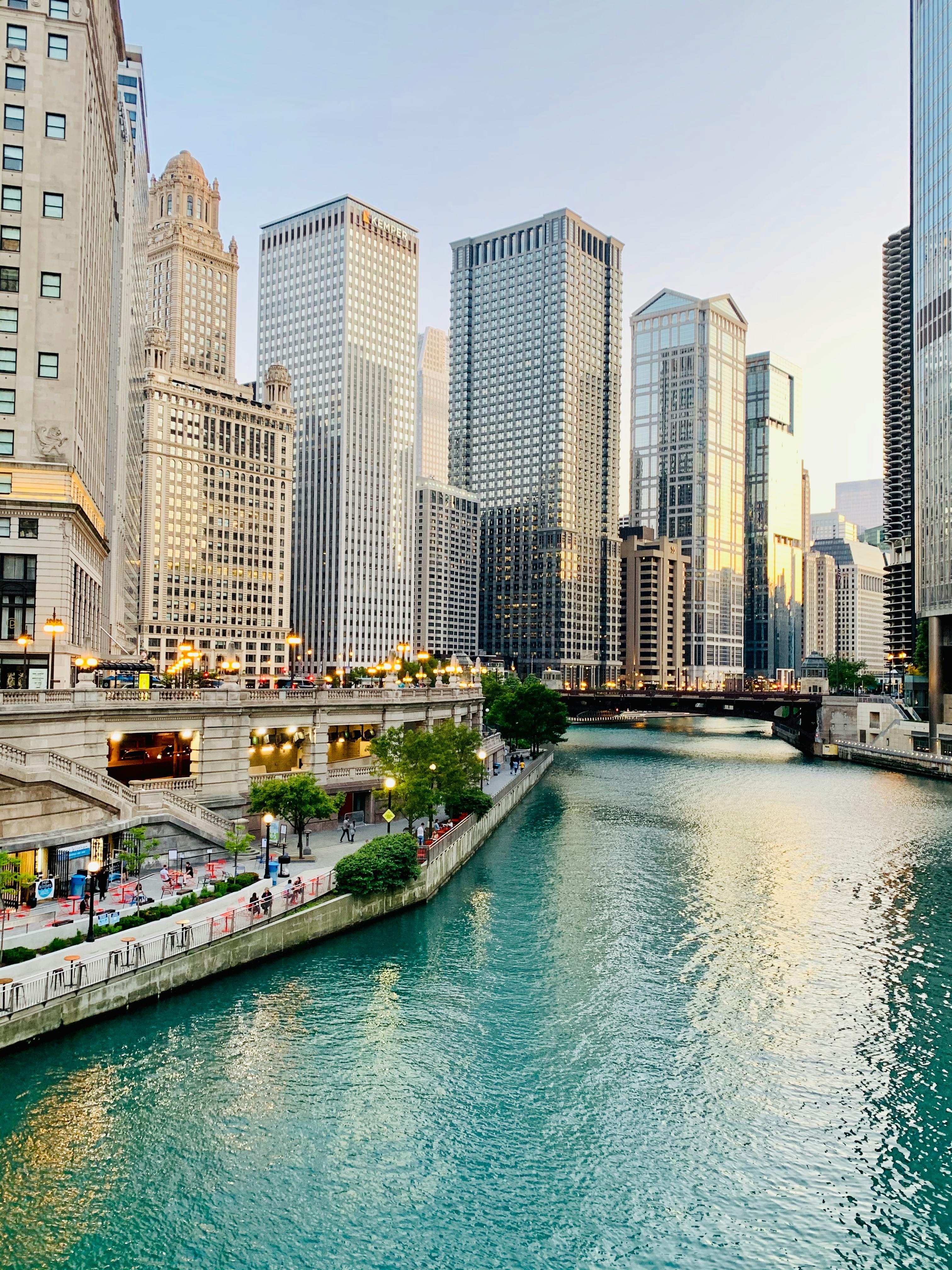

The question most people ask when they consider moving to neighborhoods like Wicker Park or the West Loop isn't about the transit scores or the school districts; it is usually some variation of, "How long does the winter actually last?" By the time March rolls around, the anticipation for a thaw in the city is palpable. But spring in Chicago isn't just a date on the calendar. It is a slow, rewarding transition that changes how we use our streets. It starts with the first day the lakefront path isn't icy and ends with the full-canopy green that defines our summer. For those living here, or those planning to, understanding the rhythm of this season is the best way to understand the lifestyle of the city itself.
Reclaiming the Streets from Wicker Park to the West Loop
The most immediate shift we notice in spring is the return of the pedestrian. During the winter, movement is utilitarian; we go from the CTA station to the door as quickly as possible. In spring, the sidewalks of Wicker Park and the West Loop reclaim their status as the primary social connectors. These areas are designed for high-density walking, with wide parkways and historic architecture that provides a sense of enclosure and character.
In Wicker Park, the intersection of Milwaukee, Damen, and North Avenue becomes a hive of activity. You will see a significant uptick in foot traffic heading toward the park itself. The sidewalks are lined with a mix of budding honey locust trees and the occasional early-bloom magnolia. Further south in the West Loop and Fulton Market, the vibe is more industrial-chic. The cobblestone stretches of Fulton Street, once heavy with meatpacking trucks, are now the domain of outdoor diners and gallery-goers. For parents and dog owners, this is the season of the "long route." We aren't just walking to get somewhere; we are walking to see who else is out.
The green spaces act as the neighborhood’s lungs. Wicker Park (the actual park at 1425 N. Damen Ave) comes alive in May as the community gardens begin to sprout. In the West Loop, Mary Bartelme Park is the undisputed center of spring life. Its modern design, featuring a "mist" gate and sunken dog park, makes it a favorite for residents who want a quick escape from the surrounding high-rises. These aren't just places to look at nature; they are functional spaces where people begin training for lakefront 5Ks or testing out new gear for the camping season.
Coffee and Community on the Patio
There is a specific kind of local energy that appears the first day a coffee shop puts its chairs outside. We have a deep appreciation for outdoor dining because we know it is a seasonal privilege. In Wicker Park, spots like Bru Chicago on Milwaukee Avenue become unofficial community hubs. Their outdoor seating is the perfect vantage point for people-watching in a neighborhood known for its creative energy.
In the West Loop, the coffee culture is refined and highly social. Froth on Washington Boulevard is a local favorite for its dog-friendly patio and transitions seamlessly from a morning latte spot to an afternoon hangout. If you move toward Fulton Market, Sparrow Coffee Roastery offers a more tucked-away experience. These aren't just places to grab a caffeine fix; their outdoor areas become the "third place" where neighbors catch up after a winter spent indoors. A cold brew on a sun-drenched patio in late April is a local rite of passage.
The culinary scene follows suit. Restaurants along Randolph Street and Fulton Market start rolling up their garage-style doors to let the spring air in. We often look for pet-friendly spots, as spring is the peak season for dog walking. Establishments like Publican Quality Meats or the various bistros in Wicker Park prioritize their sidewalk permits, knowing that the first warm Friday night will see every seat filled.
The Ritual of the Spring Market
Perhaps the most iconic sign of spring for a Chicagoan is the return of the outdoor farmers market. While some markets have indoor winter versions—like the Wicker Park Farmers Market, which calls the Royal Palms Shuffleboard Club home during the colder months—the true season begins when the tents go up outside.
The Wicker Park Farmers Market officially moves outdoors in early May, running every Sunday from 8:00 AM to 2:00 PM. It is a curated experience where you can find everything from farm-fresh eggs to small-batch kombucha and local honey. In the West Loop, Green City Market at Mary Bartelme Park is a Saturday tradition. Starting in May, it brings the best of Midwestern agriculture directly into the heart of the city. These markets are about more than just grocery shopping; they are social events. You will find live music, chef demonstrations, and a shared sense of supporting local growers who have spent the winter preparing for this window.
Beyond produce, spring brings specialized events like the Chicago Artisan Market in Fulton Market. Usually held at Morgan MFG in early May, it showcases over 100 independent designers and makers. It is where we go to find that one-of-a-kind piece of art or a handcrafted planter for the balcony. For locals, these markets mark the transition into a lifestyle of fresh ingredients and weekend exploration.
What New Residents Notice During the Thaw
For those moving to the city from warmer climates, the intensity of the "spring cleanup" is often a surprise. There is a collective weekend where it seems every resident with a balcony or a small patch of dirt is outside at once. We take pride in our urban gardens, and the transition from the grey of March to the vibrant tulips of May is a fast-moving process.
What surprises newcomers most is the connectivity of our trail systems. Many move into a condo in Wicker Park or Bucktown and only then realize the proximity of The 606 (the Bloomingdale Trail). This elevated 2.7-mile park system is a spring revelation. It offers a unique perspective of the city's residential architecture and is lined with native plantings that change weekly.
The lifestyle here in spring is defined by movement. Weekends are spent exploring the "hidden" pocket parks or walking the Chicago Riverwalk as the tour boats begin their season. There is a sense of shared community relief; we are all reclaiming our public spaces at the same time. This creates a friendly, open atmosphere where strangers are more likely to strike up a conversation over a shared interest in a local plant sale or a new patio menu.
Preparing a City Home for the Spring Market
If you are considering selling your home during this season, the focus shifts to how the residence interacts with the outdoors. In an urban market like the West Loop or Wicker Park, the "outdoor room" is a massive selling point. Buyers aren't just looking at the kitchen finishes; they are imagining themselves on the private balcony, the shared roof deck, or the rear patio. If you have any outdoor space, spring is the time to make it shine. Even a small balcony with two chairs and a clean rug conveys a lifestyle of relaxation.
Curb appeal in the city is about the entryway and the immediate surroundings. Fresh planters by the front door and clean windows make a powerful first impression. We often recommend focusing on the "walkability factor." Highlighting the distance to the Blue Line, the nearest Green City Market location, or a favorite coffee shop like Bru helps a buyer see the home as part of a larger, active neighborhood.
Spring in Chicago's core neighborhoods is a season of momentum. It is a time when the investment in a home and a community truly pays off, as the city opens up and the energy levels rise. Whether you are navigating the market as a buyer or preparing to pass your home on to its next owners, understanding these local nuances makes all the difference. Our team spends every day in these streets, tracking the market shifts and the seasonal trends that impact property values. If you have questions about how the current season is affecting the local real estate landscape, we are here to help.


