

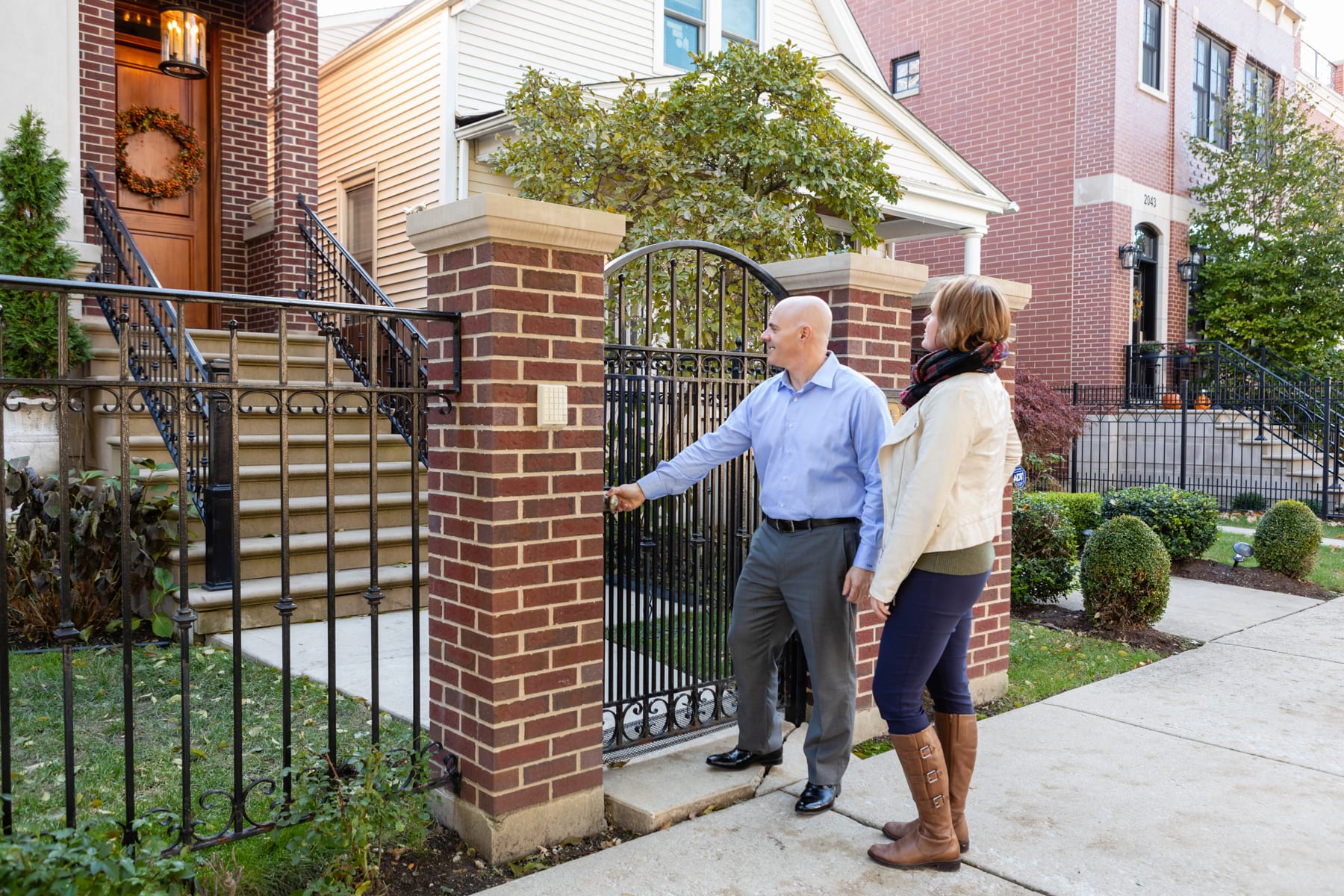
Finding the perfect home across the Greater Chicago region is rarely just about finding a property with the right number of bedrooms and bathrooms, it is about choosing a community that seamlessly matches your daily lifestyle and long-term goals. Whether you are searching for dynamic urban energy, historic character, or expansive suburban living, searching through Chicagoland homes for sale requires balancing three primary factors: daily commute times, school ratings, and overall spatial needs.
Navigating Cook, DuPage, Lake, and Will counties means recognizing that every neighborhood, town, and township offers a unique balance among these priorities. By taking a strategic approach to evaluating location, transit options, and educational districts, you can narrow your search to communities that offer the highest return on investment for your lifestyle and budget.
1. Balancing Commute Realities Across City and Suburban Hubs
A home’s proximity to your workplace or daily hubs directly impacts your quality of life, yet many buyers overlook the micro-details of daily transit. In transit-connected suburbs spanning Western, Southwestern, and Northern Chicagoland, such as Orland Park, Tinley Park, Des Plaines, Palatine, Wheaton, Lombard, or Naperville, access to Metra rail corridors provides an efficient, stress-free ride into Chicago’s Loop. However, proximity to the train station itself matters tremendously; living a five-minute drive or walk from the platform versus a 20-minute cross-town drive can add nearly an hour to your daily round-trip commute.
For buyers focusing on north-side city enclaves, near-north suburbs, or coastal communities, such as Lincoln Park, Lakeview, Edgewater, Rogers Park, Skokie, Wilmette, or Evanston, commute considerations pivot to CTA L lines, express buses, and major arterial roadways like Lake Shore Drive or the Interstate 94/90 corridors. Evaluating your commute at peak hours, whether via mass transit or personal vehicle, ensures that your new home enhances, rather than restricts, your daily routine.
2. Navigating Top-Tier School Districts and Community Values
For many home buyers, school district quality stands as a top non-negotiable priority that protects long-term resale value. Established communities across the metro area, such as La Grange, Park Ridge, Hinsdale, Glen Ellyn, Deerfield, Buffalo Grove, Arlington Heights, and Elmhurst, consistently attract families seeking top-rated public education systems. Finding La Grange houses or homes in adjacent top-performing districts often centers around specific elementary, middle, and high school attendance boundaries, where even a single street can separate different attendance zones and property tax structures.
In coastal and near-north areas like Evanston or city neighborhoods such as Lincoln Park, Logan Square, and Hyde Park, educational landscapes offer a rich mix of highly regarded public neighborhood schools, selective-enrollment options, and private institutions. Understanding how school boundaries intersect with property values across different counties allows you to make an informed decision that aligns with both your family's educational needs and your financial strategy.
3. Evaluating Space, Layout, and Property Footprints
The relationship between square footage, lot size, and price shifts dramatically as you move across the metropolitan area. Buyers evaluating a Lakeview property or homes in neighboring urban hubs like West Loop, Bucktown, Wicker Park, or Pilsen will find that high demand and prime location translate to a higher cost per square foot, where space is optimized through multi-story townhomes, classic brownstones, or luxury condos with vertical layouts.
Conversely, looking across outer Cook, DuPage, Will, and Lake County suburbs, such as Downers Grove, Schaumburg, Bolingbrook, Homer Glen, Oak Brook, or Naperville, unlocks larger, horizontal footprints. In these communities, buyers can secure expansive private yards, multi-car garages, dedicated home offices, and generous basement footprints for the same investment. Defining how your household utilizes space on a daily basis helps clarify whether prioritizing urban density or suburban square footage is the right choice for your lifestyle.
4. Aligning Local Amenities with Long-Term Lifestyle Goals
Beyond school scores and drive times, the true feel of a community comes down to its local amenities and culture. Vibrant suburban downtowns and historic town squares, such as those in La Grange, Northbrook, Elmhurst, Oak Park, Geneva, Saint Charles, and Naperville, offer bustling, walkable hubs packed with local dining, boutiques, community events, and seasonal farmers markets.
Meanwhile, urban neighborhoods and inner-ring coastal suburbs like Lincoln Park, Lakeview, Uptown, and Evanston provide immediate walkability to lakefront parks, cultural institutions, beach access, and world-class dining right outside your front door. Visiting potential communities during different times of the week, attending a Saturday morning market or testing out local parks, helps ensure the neighborhood aligns with your social habits and long-term vision.
Ready to Find Your Ideal Chicagoland Community?
Finding the right balance of commute, top schools, and space requires local expertise and hyper-local market insight. Whether you are looking in Naperville, La Grange, Lincoln Park, Elmhurst, Northbrook, Evanston, or anywhere across the entire Chicagoland area, reach out today to start your tailored home search!