

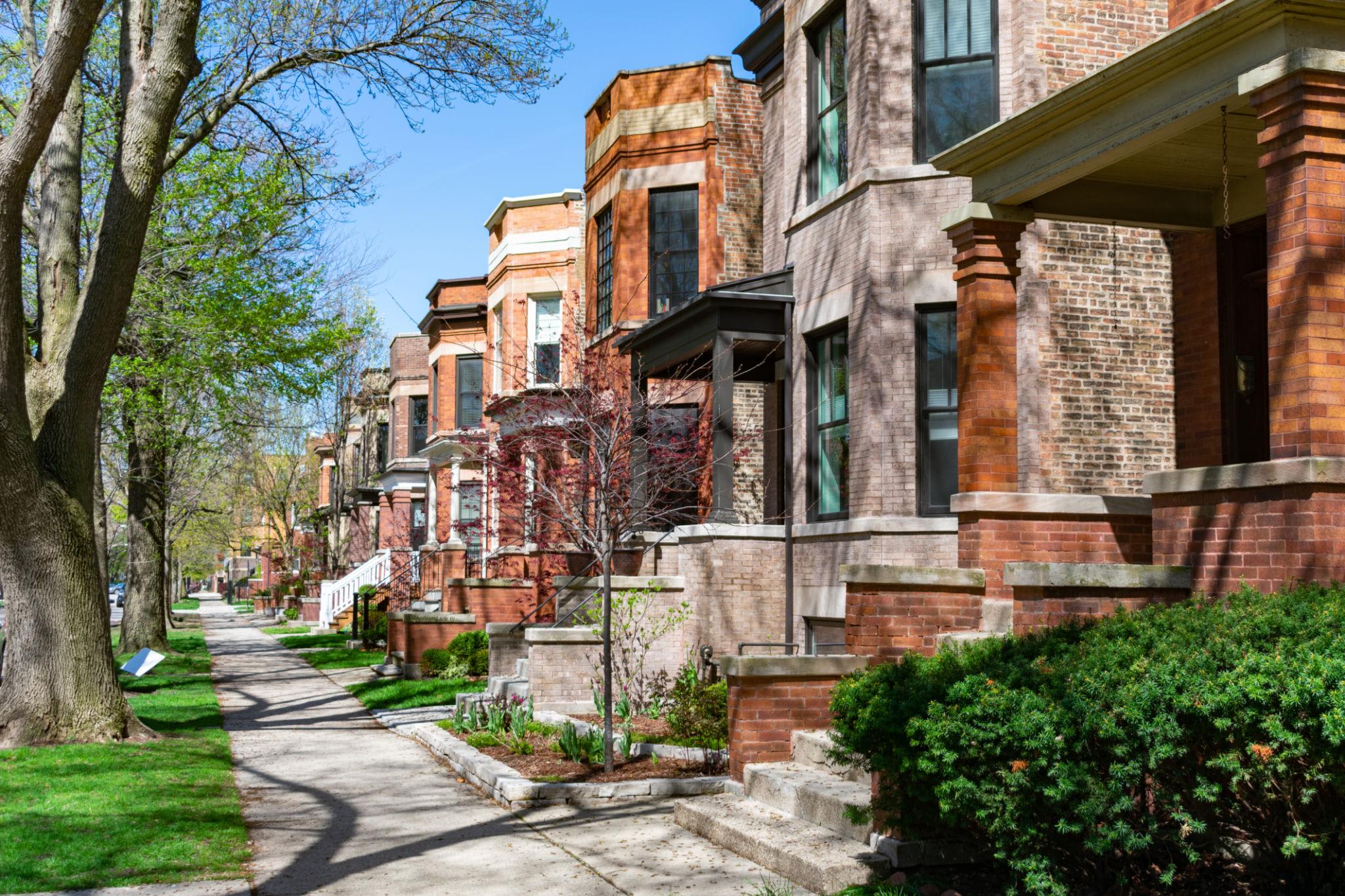
Choosing between a condominium and a single-family home is one of the most fundamental decisions you will make during your home search in the Chicagoland real estate market. Both property types offer unique advantages, distinct financial considerations, and specific lifestyle benefits depending on whether you prefer vibrant urban neighborhoods or spacious suburban communities.
Understanding how monthly associations, maintenance expectations, location dynamics, and overall equity growth differ between condos and single-family houses helps you make a confident investment tailored to your long term goals.
1. Comparing Everyday Lifestyle and Property Maintenance Demands
The primary difference between owning a condo and owning a single-family home comes down to lifestyle convenience versus personal freedom. Condominium living provides a low-maintenance setup where exterior upkeep, snow removal, lawn care, and building repairs are handled collectively by the association.
This turn-key setup appeals strongly to busy professionals and buyers in transit-rich hubs like Lakeview, Evanston, or Lincoln Park. Conversely, owning a single-family home in communities such as Naperville, Oak Park, or Arlington Heights means complete autonomy over your property, along with total responsibility for roof repairs, yard care, and exterior maintenance.
2. Analyzing HOA Fees, Reserve Funds, and Total Monthly Costs
Financial planning for a condo requires evaluating monthly home association fees alongside your mortgage payment, taxes, and insurance. HOA dues cover shared amenities, building insurance, and common area maintenance, but evaluating the financial health and reserve funds of the association is essential to avoid unexpected special assessments.
Single-family home buyers in areas like Orland Park, Schaumburg, or Downers Grove do not have monthly building HOA fees, which provides predictable baseline housing costs. However, single-family home owners must establish their own private maintenance reserves to budget for mechanical upgrades, roof replacements, and seasonal landscaping work over time.
3. Evaluating Long-Term Appreciation and Space Requirements
When analyzing property value growth, single-family homes historically show higher appreciation rates because you own the underlying land in addition to the dwelling structure. Buyers seeking extra bedrooms, private fenced yards, and expansion potential often focus their search on suburban neighborhoods across Cook, DuPage, and Lake counties like Wheaton, Glen Ellyn, or Northbrook.
On the other hand, condos in high-density corridors like West Loop, River North, or Des Plaines provide exceptional location value per square foot. Buying a condo allows you to live steps away from dining, nightlife, and express transit lines at a purchase price point that is significantly lower than a detached single-family house in the same immediate area.
4. Assessing Financing Options and Resale Flexibility
Financing a condominium requires a dual-approval process where lenders review both your personal financial profile and the financial stability of the condominium building. Lenders evaluate owner-occupancy ratios, commercial space percentages, and master insurance policies before approving a mortgage loan for a condo purchase.
Single-family homes in communities like Tinley Park, Lombard, or Park Ridge typically feature straightforward standard mortgage underwriting with broader loan program availability. Additionally, single-family properties often carry fewer rental restrictions, giving owners greater flexibility if they choose to convert the property into an investment rental down the road.
Ready to Find Your Ideal Chicagoland Home?
Whether you are leaning toward a low-maintenance condo in the city or a spacious single-family home in the suburbs, having an experienced local team makes all the difference. Reach out today to start exploring properties tailored to your budget, lifestyle, and financial goals!